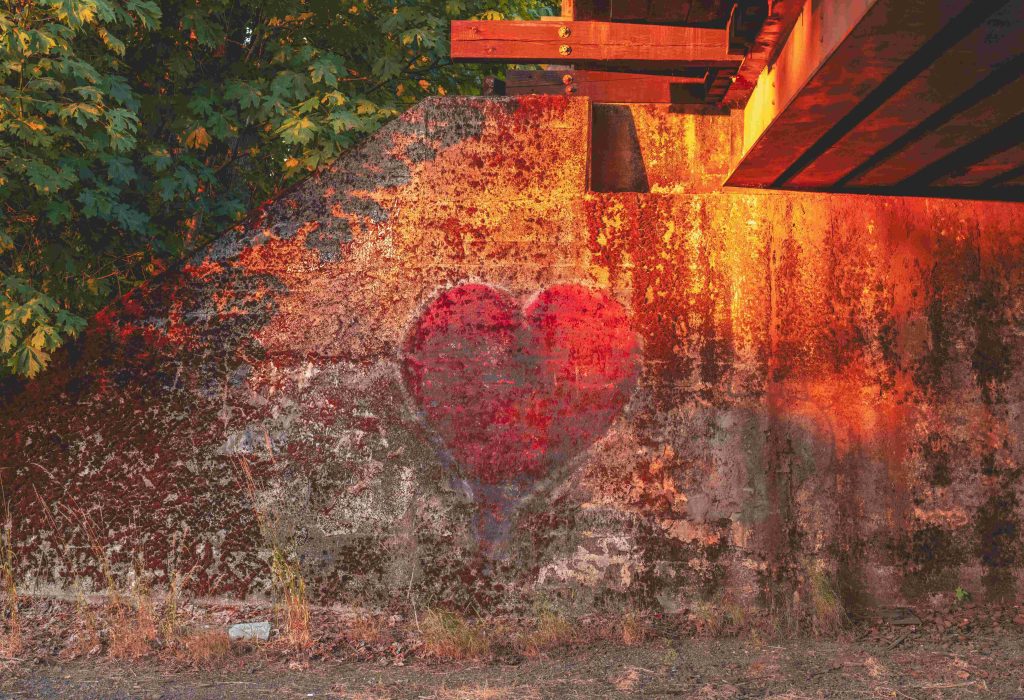
We talk a lot about recovery, progress and positive outcomes in supported living, but what does healing actually look like in real life? It tends not to be dramatic, it isn’t always visible, and it rarely follows a straight line from hardship to happiness.
Healing is deeply personal and often quieter than people expect. It doesn’t always announce itself with big milestones or visible transformations. More often than not, it unfolds slowly in thoughts, in choices and in subtle changes in behaviour that only the individual truly recognises.
Sometimes healing looks like survival. Sometimes it looks like rest. Sometimes it looks like simply deciding to try again tomorrow.
In this article, we explore what healing can truly look like in everyday life and why its most meaningful moments are sometimes the easiest to overlook.
One of the biggest myths about healing is that it always feels uplifting or empowering. In reality, healing can feel uncomfortable, unsettling and even exhausting at times.
Growth asks us to look at things we once avoided, to sit with emotions we once pushed away and asks us to question stories we’ve told ourselves for years.
Healing can sometimes look like:
Growth sometimes means sitting with discomfort rather than escaping it, and that can take enormous courage. Discomfort does not mean failure – It often means change is happening.
Recovery isn’t a straight path from “struggling” to “thriving.” It’s rarely a steady upward climb. There are good days and tougher days, and there are moments of confidence followed by moments of doubt. There are steps forward and occasional steps back.
At Northern Healthcare, we recognise that progress includes setbacks and that a difficult afternoon does not undo weeks of progress. A challenging week does not erase months of hard work. Setbacks are not proof that someone is failing; they are simply part of being human.
Healing is about learning new ways to respond, not about never struggling again. It’s about building resilience, understanding triggers, and developing coping strategies that make hard days more manageable over time.
Some of the most powerful signs of healing might look small from the outside. They might not make headlines. They might not even be noticed by others.
Healing can look like:
These moments may seem simple, but they represent effort, resilience and hope. In supported living and mental health services, we see every day how meaningful these “ordinary” steps truly are. What looks routine on the surface can represent a huge internal victory.
Healing does not always show on the outside. It may not change someone’s appearance or circumstances overnight. Much of it happens internally, in ways that are deeply personal and unseen.
It could be:
These internal shifts can be life-changing, even if no one else sees them. Sometimes the greatest transformation is a change in self-perception – moving from self-criticism to self-compassion.
Healing does not happen in isolation. It thrives in safe, supportive environments where people feel heard, respected and valued. At Northern Healthcare, we believe compassion from staff, peers and most importantly from oneself is essential. Recovery is not about pressure or perfection, it’s about encouragement, patience and understanding.
There is no fixed timeline. No universal checklist. No single definition of success. For one person, healing might mean rebuilding relationships and reconnecting with family. For another, it might mean managing their own tenancy and living independently. For someone else, it might mean reducing harmful behaviours. And for another, it might simply mean getting through a day that once felt impossible. Each journey is valid. Each pace is valid. Each version of progress matters.
If your healing feels slow, that’s okay.
If it feels messy, that’s okay.
If it feels invisible, that’s okay.
If it doesn’t look like anyone else’s journey, that’s okay.
Healing is not about becoming someone new. It’s not about erasing the past or pretending difficult experiences never happened. It’s about learning to live with greater safety, stability and self-understanding. It’s about building strength gradually, finding steadiness in small routines, discovering that support exists and allowing yourself to accept it.
And sometimes, the bravest progress is the quiet kind, the kind that happens behind closed doors, in everyday decisions, in moments where no one is watching. The kind that happens one small, steady step at a time.
We hope you enjoyed reading our article! Connect with us on social media for more articles, service updates and Northern Healthcare news.
You can currently find us on Facebook, Twitter, BlueSky, LinkedIn, and Instagram.
How to Find Emotional Healing – VeryWellMind
Self-Healing Techniques for a Happier and Healthier Mind – VeryWellMind
How to Start Your Self-Healing Journey – Motivane
Photo by Mohamed Nohassi on Unsplash.