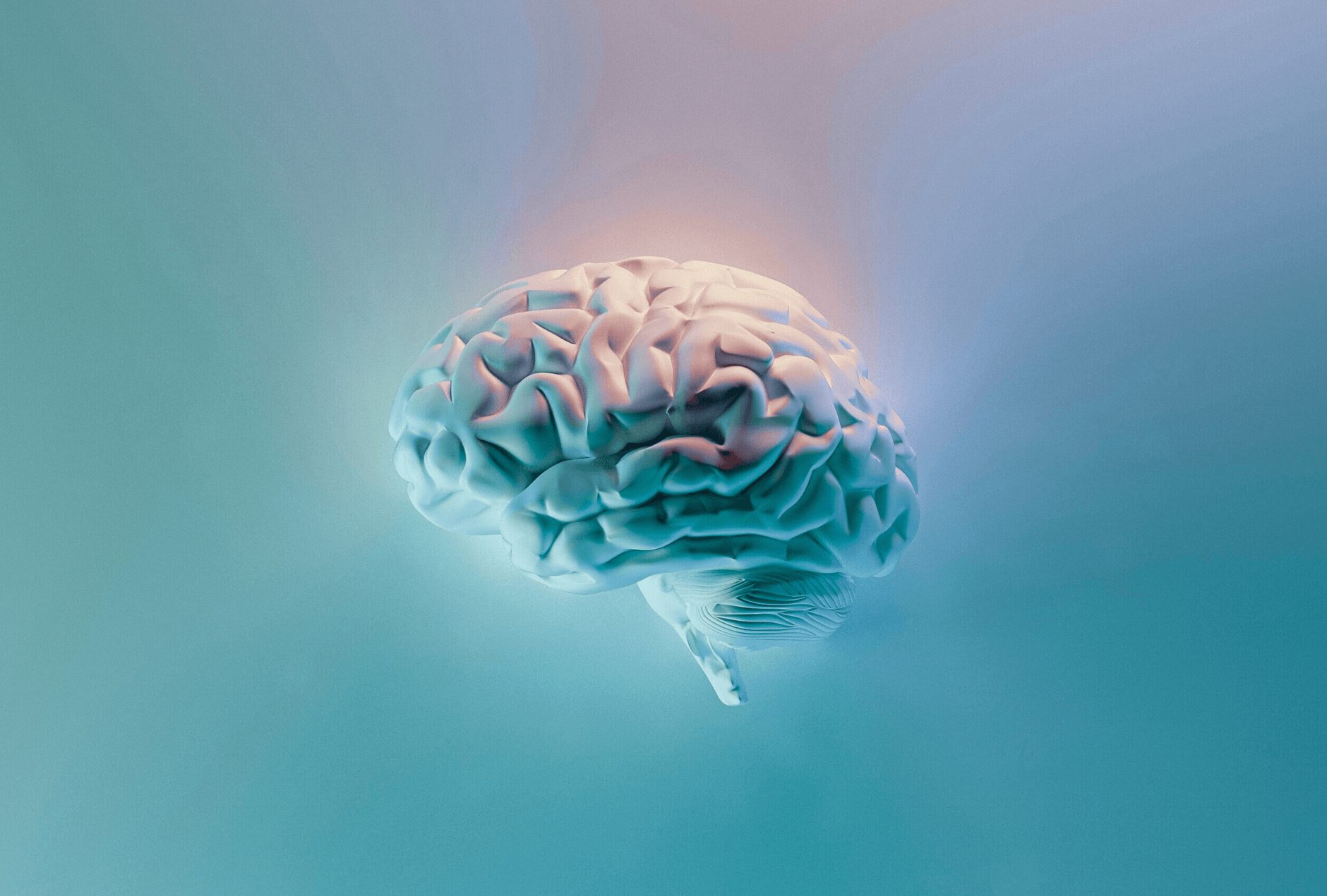
When we talk about addiction, the focus is often on the behaviour, whether it’s drinking, gambling, using drugs, or even compulsive internet use. But behind these habits lies something far more complex: the brain. More specifically, some people may have what is often referred to as an “addictive brain”, a brain that, due to a mix of genetics, neurobiology, and environment, is more vulnerable to compulsive patterns and risky behaviours.
In this blog, we explore what it means to have an addictive brain, what’s happening inside the brain during addiction, and how early recognition and support, particularly in social care environments, can make a profound difference in prevention and recovery.
The term “addictive brain” isn’t an official medical diagnosis, but it’s a widely used way to describe brains that are more prone to addiction due to certain neurological and psychological traits.
At the centre of this is the dopaminergic reward system, a key network in the brain that governs pleasure, motivation, and reward. When we do something enjoyable (like eating, exercising, or socialising), our brain releases dopamine, which reinforces the behaviour and encourages us to repeat it.
For people with addiction-prone brains, this system can be more reactive or less regulated. Research suggests that some individuals are genetically predisposed to have lower baseline dopamine levels or more dopamine receptors, which can make them seek out stimulating experiences to feel “normal” or satisfied.
Addiction goes much deeper than a “lack of willpower”; it’s about how your brain is wired. Research led by more than 150 coauthors around the world in 2023, and summarised by NIH (National Institute on Drug Abuse) shows that genetic, psychological, and environmental factors all play a role in addiction susceptibility, with some people at significantly higher risk than others.
There’s no single test that can confirm whether you have an “addictive brain,” but certain traits and behaviours are commonly associated with increased susceptibility to addiction:
These traits aren’t necessarily negative on their own; in fact, many people with these characteristics lead healthy, fulfilling lives. But when combined with stress, trauma, or environmental triggers, they can increase the risk of developing harmful habits.
Addiction alters the brain’s structure and chemistry. Over time, the brain begins to associate a substance or habit with survival-level importance, essentially “hijacking” the reward system. This is why people can continue addictive behaviours even when they consciously want to stop.
Key neurological changes include:
These changes can make it incredibly difficult to break the cycle without professional support and structured environments.
In social care settings, recognising the early warning signs of addiction is essential; not just for prevention, but also for providing timely, person-centred care.
Red flags to look for include:
Staff often play a crucial role in spotting these changes. Their daily interactions and strong connections with the people they support allow them to intervene early, initiate open conversations, and signpost to relevant services.
For individuals living with mental health challenges or neurodiverse conditions, the risk of addiction may be elevated. In these cases, social care services provide a place to be a foundation for recovery, learning, and self-regulation.
Staff can support individuals by:
If you suspect you might have an addiction or are in the early stages of dependency, it’s never too soon to ask for help. Whether you live independently or in a social care setting, here are some practical first steps:
Here are some trusted UK organisations offering help with addiction:
Having an “addictive brain” doesn’t mean you’re destined to struggle. Understanding how your brain works and how it responds to stimuli can empower you to make healthier choices, seek support early, and build a life that supports your well-being.
Knowing this is so important, especially in social care settings, as it benefits those potentially living with addiction, but also the teams supporting them. Together, with compassion, understanding, and the right tools, recovery is always possible.
Addiction vulnerability – Wikipedia
What Is the “Trigger” of Addiction? – PMC
Prefrontal Cortex’s Impact on Addiction
Is Addiction a Disease? How Brain Chemistry Works with Addiction
Adult social care: information for providers – Care Quality Commission
Is There a Link Between Neurodiversity and Mental Health? | Psychology Today United Kingdom