This is the second blog of our series highlighting the types of Body-Focused Repetitive Behaviours (BFRBs) and is listed under ‘Obsessive-Compulsive Disorder and Related Disorders in the latest Diagnostic and Statistical Manual of Mental Disorders (DSM).
In this article, we will discuss what dermatillomania is, the symptoms, the causes and the treatment available.
What is dermatillomania?
Dermatillomania is believed to affect as many as one in 20 people.
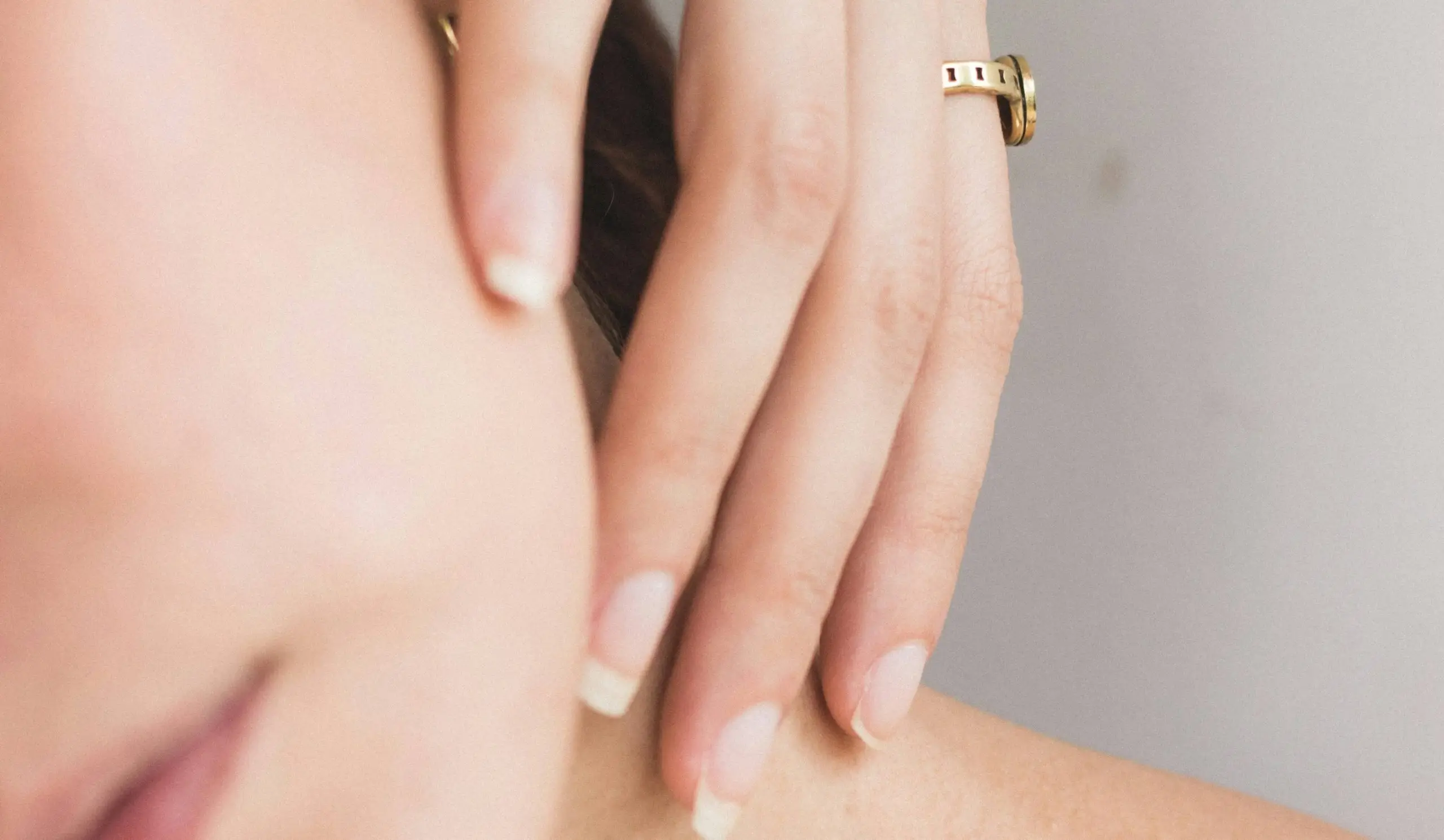
Dermatillomania is a disorder that is both mentally and physically damaging and widely misunderstood. Also known as skin picking disorder, dermatillomania is when you cannot stop picking your skin.
Also known as a body-focused repetitive behaviour, it is similar to trichotillomania.
Symptoms of dermatillomania
Many people will pick their skin occasionally, but you likely have a picking disorder if the following applies to you:
- You cannot stop picking your skin
- You cause cuts, bleeding or bruising by picking your skin
- You pick moles, freckles, spots or scar
- You do not always realise that you are picking your skin
- You pick your skin when you feel anxious or stressed
There are many ways to pick your skin – you might use your fingers, fingernails, teeth or even tools like tweezers, pins or scissors.
Causes of dermatillomania
Skin picking disorder is closely related to obsessive compulsive disorder (OCD).
The following factors are believed to be triggers:
- Feeling bored
- Feeling stressed or anxious
- Negative emotions, such as guilt or shame
- Existing skin conditions, such as acne or eczema
- Blemishes that the person wants to get rid of (they are not always noticeable to other people)
There is evidence to support the notion that skin picking behaviour coincides with puberty, alongside the onset of acne problems in a person.
Is dermatillomania similar to OCD?
The DSM lists dermatillomania within a new category – ‘Obsessive Compulsive Disorder and Related Disorders’, but not under OCD itself. The ICD diagnostic manual lists it as “a body-focused repetitive behaviour similar to repetitive hair pulling disorder (trichotillomania), which is perhaps more accurate.”
And although often linked to OCD, dermatillomania has some key differences:
- Skin picking isn’t always an ‘obsession’, so to speak
- A person with OCD usually carries out compulsions to prevent harm, whereas picking skin is done to control stress and anxiety
- With OCD, the compulsions and obsessions tend to be about a large range of concerns and worries, skin picking is usually always about stress, tension and/or appearance
Treatment available
Dermatillomania will likely be treated using a branch of CBT called habit reversal training. This type of CBT helps a person replace their negative habits with something that isn’t harmful.
The treatment will usually involve:
- Keeping a diary to track the hair-pulling
- Working towards finding out the triggers, and learning to avoid them
- Working toward replacing the hair-pulling with another habit, such as squeezing a stress ball
- Learning how to reach out to loved ones for support
There are also some things that a person can try before committing to CBT:
- Keep your hands busy – this can be using a fidget toy or stress ball
- Try to resist skin picking for as long as possible – if you do this for longer each time, you’ll eventually be able to stop
- Take special care of your skin – make sure you have a moisturiser on hand
- Keep your skin clean and clear to help avoid infection
- Avoid letting your nails grow too long
- Get rid of tweezers or other instruments – this will remove the temptation
Sometimes, people may find it beneficial to try medication to help support them through therapy, this will usually come in the form of anti-depressant SSRI (Selective Serotonin Re-uptake Inhibitor). This would be prescribed by your GP or psychiatrist and help with the mental symptoms of your disorder.
Always remember…
Living with a disorder such as dermatillomania can be difficult, but with the right support and treatment, you can learn to free yourself of destructive habits.
Please remember to lean on your loved ones for support, and to reach out to a medical professional if you feel as though it is taking over your life – they will be able to find you a treatment plan suited to you and your recovery.
At Northern Healthcare
Our teams support individuals with a range of mental health diagnoses and disorders. Our multi-disciplinary team work with individuals to create a tailored support plan, and this can include managing those issues.
Find out more about our support model.
Thank you for reading!
We hope you enjoyed reading our article – connect with us on social media for more articles, service updates and Northern Healthcare news.
You can currently find us on Facebook, Twitter, LinkedIn, and Instagram.
References
Excoriation Disorder (skin picking disorder) – OCD UK
Dermatillomania (Skin Picking) – Psychology Today
Compulsive Skin Picking (CSP)/Dermatillomania – Anxiety UK
Dermatillomania: meet the people who can’t stop skin picking – The Guardian
Photo by Angélica Echeverry on Unsplash.